FIELD NOTES
The Human Part about Documentary Filmmaking
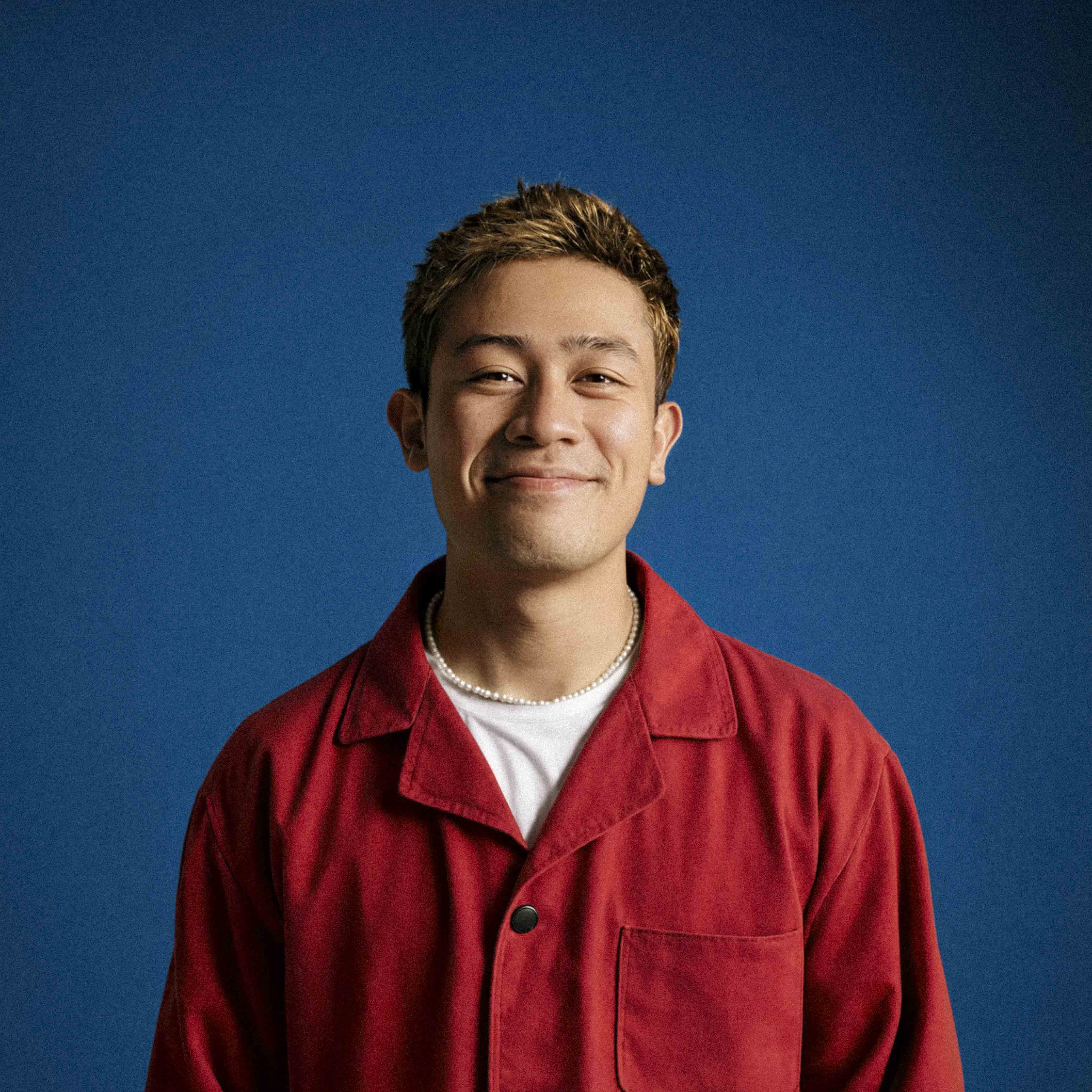

I’m a few weeks into filming a documentary right now, and I want to write some of this down before I forget it. The following is from a diary entry transcript during the making of this film. This is for people who are interested in the social and psychological dynamics behind making a documentary.
Talk to the people around your subject before you need to
A few weeks in, I finally sat down with a friend of the person I’m making this film about. We talked for an hour, mostly about him: whether he’s someone who opens up easily, what he’s like when the cameras aren’t around, what makes him tick.
I should have done that in the first week, not the third...
It sounds obvious written out like this. Research him, sure. Ask him questions, sure. But the fastest way to understand someone is to ask the people who already know them. I got more from that one conversation than from weeks of trying to figure him out myself.
The rehearsed version is the enemy
Here’s a problem I didn’t expect going in: my subject is good at talking about himself, maybe too good. He runs an organization, which means he’s spent years giving the same ‘schpeel’. He’s on panels. He talks to investors. He has a version of his story that’s tight, clear, and built to land in thirty seconds or less.
That’s a real skill and I don’t think less of him for having it. But it’s the opposite of what I need in a one-on-one interview. In his head, this is still an interview, and to someone who’s never made a film, it’s easy to think the goal is to say the right things and avoid saying the wrong ones. So he defaults to the version he’s already rehearsed - but it sounds unnatural.
My original plan was to sit him down for two or three hours and just let him talk until he ran out of that rehearsed material. I figured the real stuff would show up on the other side of it, once he’d said everything he’s used to saying. When I ran that plan by his friend, he told me it probably wouldn’t work. His guess was that my subject would get tired before he ever got there.
So now I’m rethinking it. One idea I keep coming back to is going first, telling him something true and a little uncomfortable about myself before I ask him to do the same. I don’t know exactly what that looks like yet, but it might be the best shot I have at getting him to match that energy instead of retreating into the scripted voice.
People don’t know what they’re agreeing to
This might be the hardest thing to communicate before a documentary even starts: agreeing to a documentary means agreeing to be vulnerable in front of anyone who ever watches it. Most people who want a film made about them haven’t sat on the other side of the camera before, so they don’t really know what it all entails.
I can say it up front. I can tell someone ‘this is going to get personal’, that there will be moments they feel exposed, that the final film might not look like anything they pictured. But it’s hard for them to fully grasp what that means — unless someone has already video recorded your life before, both good and bad parts.
I saw this play out on an earlier project. Two people in that film were shown as close, warm, clearly on the same team. About a year later, while we were still in post-production, something happened between them and the relationship fell apart. Suddenly the footage that once read as genuine closeness felt like a liability to both of them. Neither wanted to be remembered that way. Nobody could have predicted it, but it’s a reminder that a documentary keeps existing long after the shoot ends, and it keeps meaning something to the people in it.
The story isn’t done until you’re in the edit
The other thing I keep having to explain, and keep failing to explain well enough, is that a documentary doesn’t start with a finished storyline. We started with a general treatment: the problem, the theme, the rough shape of where the film is headed. That’s normal. That’s supposed to be vague at this stage.
My subject has started asking for a locked-down version of the story with a few days left in the shoot, and I understand why. Someone who’s being filmed can easily read that vagueness as nobody knowing what they’re doing. It’s uncomfortable to hand over a month of your time and your life for something you can’t see the shape of yet.
I won’t really know the story until I’m sitting at a computer with every interview and every clip in front of me. During production, I gather the raw material and get a better read on what’s actually there. I find the shape later, in the edit, once I can see everything at once. Writing a script and then shooting it works one way. Documentary works the other way around: you find the story instead of building it in advance.
I don’t think that’s a failure of planning. I think it’s just what a documentary is. But I clearly need a better way to say that out loud before day one, so nobody spends the shoot wondering if there’s a plan at all.
Why I still love this
For as complicated as all of this sounds, it’s also exactly why I’m drawn to the work. That human aspect of the entire process - a delicate but worthy challenge in my books. Most people never get to see their story play out from another person’s perspective - but I believe magical things can happen when someone is brave enough to put their story out there. You would be surprised how many people it can resonate with.
Getting close to someone over a few years is hard enough. Try doing it in a month, with a camera pointed at them, and trying to get them to open up about the parts of themselves that are the hardest to talk about.
You’re asking someone to trust you fast, and hoping they’re brave enough to take that risk. The films I care about most are the ones that cut through the surface, the ones that are honest about something real instead of playing safe. That’s what makes a documentary feel human to me. It’s what we are drawn to - things we think about, but don’t say out loud.
My job, as I see it, isn’t just to tell someone’s story. It’s to give shape to something that is both happening in real time and still has yet to happen. It involves seeing around the corners and making the most of the fragmented puzzle pieces until they connect. It’s listening and observing. Being curious and understanding.
To also appeal to people who’ve never heard of this person or their cause...that is also my job. At the end of the day, this film is serving as a signal...to attract attention, to raise awareness. To hopefully create something that someone on the other side of the world can relate to in some small way. And most of that, I’m learning, is through universal feelings and emotions that we encounter as humans. Belonging. Grief. Love. Hope. Shame. Guilt.
I’ve got a few days left to figure out how to get my subject to a place where he feels safe enough to go there with me. I don’t have it solved yet. But I wanted to write this down while I’m still figuring it out.
I’m a few weeks into filming a documentary right now, and I want to write some of this down before I forget it. The following is from a diary entry transcript during the making of this film. This is for people who are interested in the social and psychological dynamics behind making a documentary.
Talk to the people around your subject before you need to
A few weeks in, I finally sat down with a friend of the person I’m making this film about. We talked for an hour, mostly about him: whether he’s someone who opens up easily, what he’s like when the cameras aren’t around, what makes him tick.
I should have done that in the first week, not the third...
It sounds obvious written out like this. Research him, sure. Ask him questions, sure. But the fastest way to understand someone is to ask the people who already know them. I got more from that one conversation than from weeks of trying to figure him out myself.
The rehearsed version is the enemy
Here’s a problem I didn’t expect going in: my subject is good at talking about himself, maybe too good. He runs an organization, which means he’s spent years giving the same ‘schpeel’. He’s on panels. He talks to investors. He has a version of his story that’s tight, clear, and built to land in thirty seconds or less.
That’s a real skill and I don’t think less of him for having it. But it’s the opposite of what I need in a one-on-one interview. In his head, this is still an interview, and to someone who’s never made a film, it’s easy to think the goal is to say the right things and avoid saying the wrong ones. So he defaults to the version he’s already rehearsed - but it sounds unnatural.
My original plan was to sit him down for two or three hours and just let him talk until he ran out of that rehearsed material. I figured the real stuff would show up on the other side of it, once he’d said everything he’s used to saying. When I ran that plan by his friend, he told me it probably wouldn’t work. His guess was that my subject would get tired before he ever got there.
So now I’m rethinking it. One idea I keep coming back to is going first, telling him something true and a little uncomfortable about myself before I ask him to do the same. I don’t know exactly what that looks like yet, but it might be the best shot I have at getting him to match that energy instead of retreating into the scripted voice.
People don’t know what they’re agreeing to
This might be the hardest thing to communicate before a documentary even starts: agreeing to a documentary means agreeing to be vulnerable in front of anyone who ever watches it. Most people who want a film made about them haven’t sat on the other side of the camera before, so they don’t really know what it all entails.
I can say it up front. I can tell someone ‘this is going to get personal’, that there will be moments they feel exposed, that the final film might not look like anything they pictured. But it’s hard for them to fully grasp what that means — unless someone has already video recorded your life before, both good and bad parts.
I saw this play out on an earlier project. Two people in that film were shown as close, warm, clearly on the same team. About a year later, while we were still in post-production, something happened between them and the relationship fell apart. Suddenly the footage that once read as genuine closeness felt like a liability to both of them. Neither wanted to be remembered that way. Nobody could have predicted it, but it’s a reminder that a documentary keeps existing long after the shoot ends, and it keeps meaning something to the people in it.
The story isn’t done until you’re in the edit
The other thing I keep having to explain, and keep failing to explain well enough, is that a documentary doesn’t start with a finished storyline. We started with a general treatment: the problem, the theme, the rough shape of where the film is headed. That’s normal. That’s supposed to be vague at this stage.
My subject has started asking for a locked-down version of the story with a few days left in the shoot, and I understand why. Someone who’s being filmed can easily read that vagueness as nobody knowing what they’re doing. It’s uncomfortable to hand over a month of your time and your life for something you can’t see the shape of yet.
I won’t really know the story until I’m sitting at a computer with every interview and every clip in front of me. During production, I gather the raw material and get a better read on what’s actually there. I find the shape later, in the edit, once I can see everything at once. Writing a script and then shooting it works one way. Documentary works the other way around: you find the story instead of building it in advance.
I don’t think that’s a failure of planning. I think it’s just what a documentary is. But I clearly need a better way to say that out loud before day one, so nobody spends the shoot wondering if there’s a plan at all.
Why I still love this
For as complicated as all of this sounds, it’s also exactly why I’m drawn to the work. That human aspect of the entire process - a delicate but worthy challenge in my books. Most people never get to see their story play out from another person’s perspective - but I believe magical things can happen when someone is brave enough to put their story out there. You would be surprised how many people it can resonate with.
Getting close to someone over a few years is hard enough. Try doing it in a month, with a camera pointed at them, and trying to get them to open up about the parts of themselves that are the hardest to talk about.
You’re asking someone to trust you fast, and hoping they’re brave enough to take that risk. The films I care about most are the ones that cut through the surface, the ones that are honest about something real instead of playing safe. That’s what makes a documentary feel human to me. It’s what we are drawn to - things we think about, but don’t say out loud.
My job, as I see it, isn’t just to tell someone’s story. It’s to give shape to something that is both happening in real time and still has yet to happen. It involves seeing around the corners and making the most of the fragmented puzzle pieces until they connect. It’s listening and observing. Being curious and understanding.
To also appeal to people who’ve never heard of this person or their cause...that is also my job. At the end of the day, this film is serving as a signal...to attract attention, to raise awareness. To hopefully create something that someone on the other side of the world can relate to in some small way. And most of that, I’m learning, is through universal feelings and emotions that we encounter as humans. Belonging. Grief. Love. Hope. Shame. Guilt.
I’ve got a few days left to figure out how to get my subject to a place where he feels safe enough to go there with me. I don’t have it solved yet. But I wanted to write this down while I’m still figuring it out.