ARTIST SPOTLIGHT
Photographer
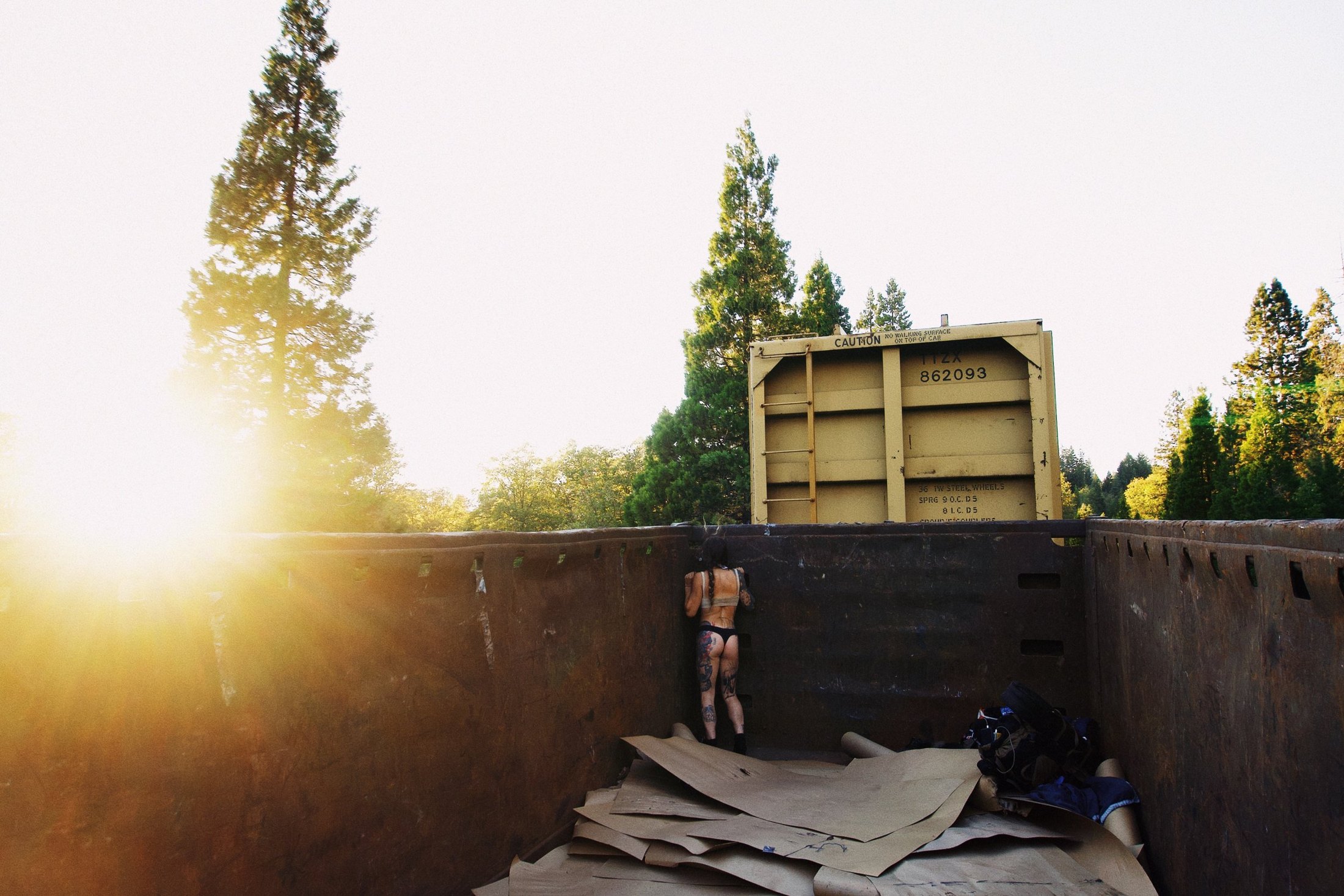
It's just after five in the morning on a rock outcrop south of Bellingham, Washington, and Jericho Leavitt is waiting on a train he doesn't know the schedule for. He and his friend Orion have been camped out here for the night waiting for the train. When it finally comes, a slow coal freight, the sun is rising over the farmland. Jericho doesn't know exactly where it's headed. He climbs on anyway.
For the past several years, riding freight trains across North America has produced some of his most consistent work, alongside passion projects, & journalistic projects he's done with NGOs. His collection of photos add up to a large, rather humanizing, catalog of images that portray people and place.
"These are industrial systems that transport so much of our consumer goods, our oil, coal, all of these mechanisms of extraction and massive industry," he says.
The freight lines were also one of the primary instruments of how North America was colonized in the first place, built to move the vast amounts of resources.
"There's something about that personhood and that smallness of the moment set against this massive system that I find really compelling," Jericho says.
Most people who've heard of freight hopping know the Depression-era mythology. Jericho's interest lies in the relationship between this industrial system and those who are still using it to get around.
"Within that force, there's this community and this world of people that are living in really radical ways," he says.
He describes that community as largely made up of people rejected by whatever version of society or family they came from, now living on what he calls a cultural fringe.
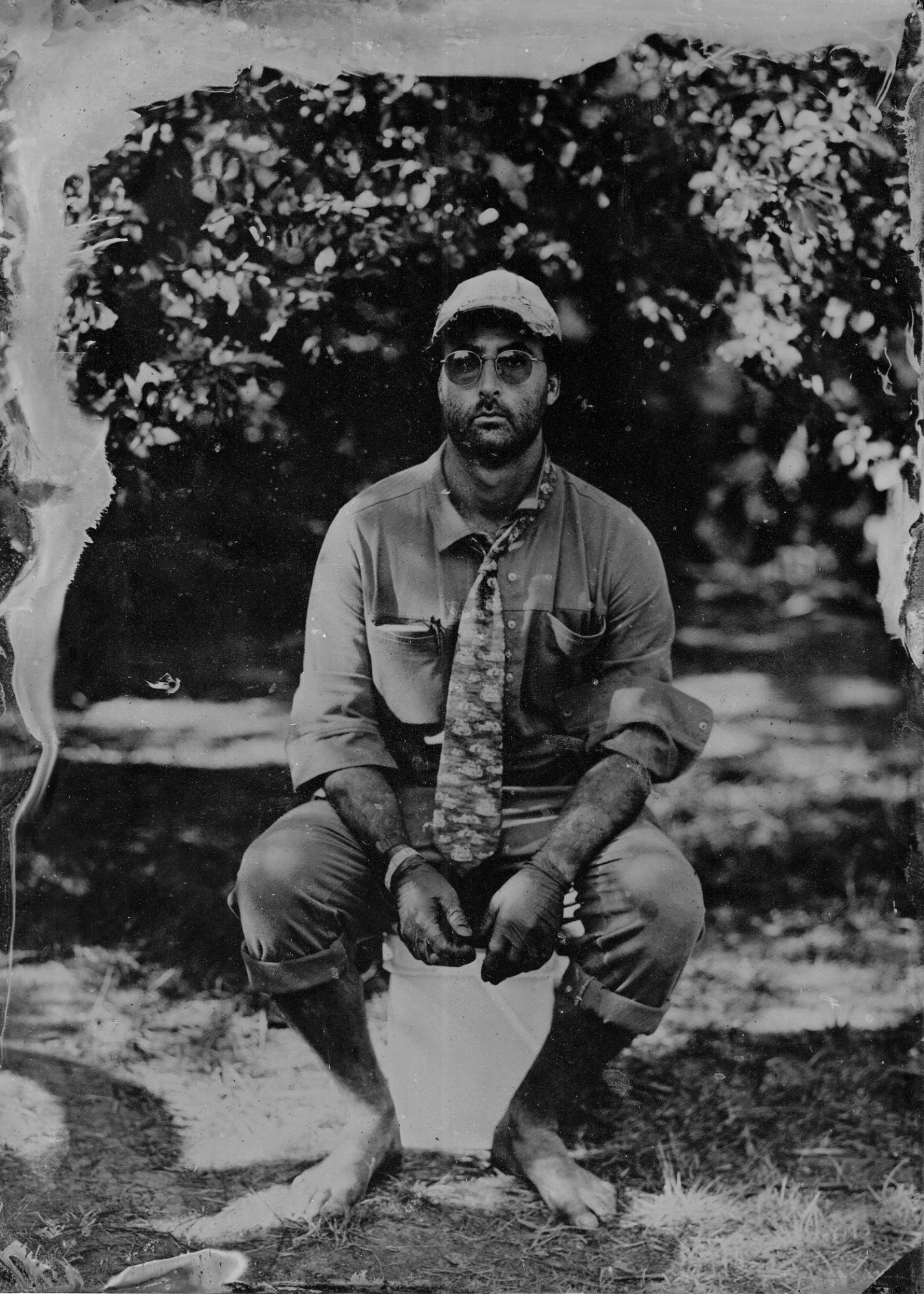


What makes something enticing enough for you to want to document it?
"It feels really deeply intuitive," he says. "It doesn't feel like a conscious process."
"One of the most beautiful and also painful things about life is that it just never stops, never slows down. You can't hold on to anything."
A photograph, in his account, is a way of preserving a moment that would otherwise disappear. It's closer to the moment itself than almost anything else he could make.
"The steps of translation between lived experience and artistic expression are incredibly small," he says. "There's something about painting and illustration where reality is dressed up in something, it's translated and perceived differently. The same is true with photo and video, but it feels so much closer."
He's after "the sidelong moments, these little intimate glimpses of reality" that people don't usually let anyone see, but are often what make up the bulk of life. When I look at Jericho’s work, I’m reminded of what it means to be human. The struggle, the beauty and everything in between.
Photographs